


Budget Remodel vs. High-End: What's the Real Difference?
- Antonio Aversa
- Nov 19, 2025
- 9 min read

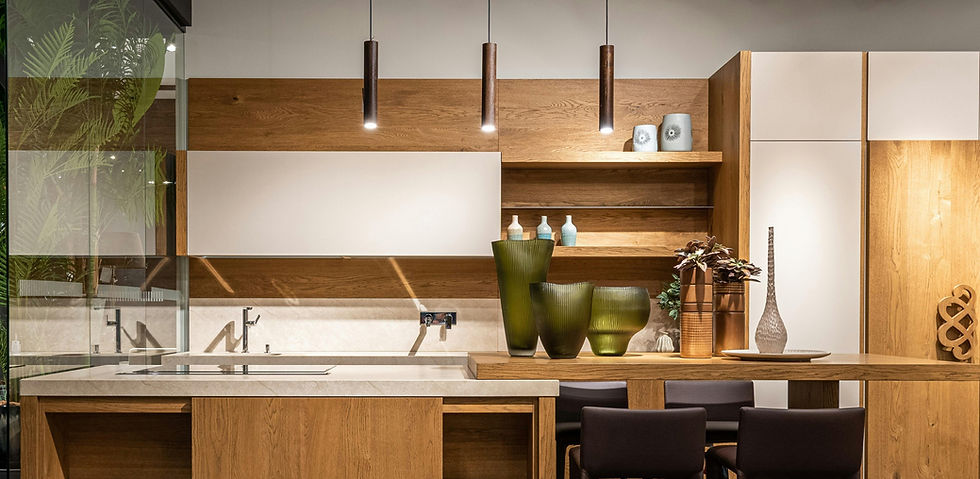
Two kitchens side by side, one cost three times as much as the other. To the casual visitor, they might both look nice. But the homeowners living with them? They feel the difference every single day.
The gap between budget and high-end renovations isn't always visible in photos or obvious during a quick tour. It shows up when you're actually using the space: in how smoothly drawers glide, how surfaces hold up to daily wear, whether things still look good after a few years of real life.
After completing many South Jersey renovations at various price points, we've seen what changes when you spend more and what stays essentially the same. Sometimes the expensive choice is absolutely worth it. Sometimes the budget option works just fine. And sometimes, there's a smart middle ground that gives you most of the benefit without the premium cost.
Let's break down where your money actually goes and what difference it makes in your daily life.
Where You Actually See the Cost Difference
When you compare a budget remodel to a high-end one, here's what changes.
Materials quality: Budget remodels use builder-grade or entry-level materials. High-end remodels use premium materials. This affects both appearance and durability. Budget tile might have color variation between boxes and chip more easily. Premium tile has consistent color and holds up better. Budget countertops might be laminate or basic granite. High-end countertops might be premium quartz or exotic stone.
The difference isn't just aesthetic. Better materials typically last longer, maintain their appearance better, and handle daily wear more gracefully.
Fixture and hardware quality: Budget faucets, drawer pulls, and hinges work fine initially but often feel cheap and may wear out faster. High-end fixtures feel solid, operate smoothly, and continue working well for many years. That soft-close drawer that still glides perfectly after a decade? That's quality hardware. The drawer that starts sticking after two years? That's where budget cuts show up.
Finish quality: This is huge but often invisible to homeowners until they compare directly. Budget remodels might have paint with fewer coats, grout lines that aren't perfectly consistent, or caulk that's functional but not pristine. High-end remodels have flawless finish work: crisp paint lines, perfectly aligned tile, caulk that's barely visible. This level of finish requires skilled labor taking their time.
Custom vs. standard: Budget remodels work with standard sizes and off-the-shelf products. High-end remodels often include custom elements sized exactly for the space. Custom cabinets that maximize every inch versus stock cabinets that leave gaps. Built-ins designed specifically for your needs versus generic storage solutions.
Behind the Walls: Where Quality Really Lives
Some of the biggest differences between budget and high-end remodels are things you never see but experience every day.
Plumbing quality: Budget remodels might reuse existing plumbing where possible and use basic fixtures and connections. High-end remodels often include upgraded pipes, better shut-off valves, and higher-quality fittings. You don't see this, but when nothing ever leaks and everything works perfectly, that's quality plumbing.
Electrical work: Budget electrical gets the job done to code. High-end electrical includes extra circuits, better wire management, higher quality outlets and switches, and thoughtful placement. More outlets where you need them. Dedicated circuits for major appliances. Details that make the space more functional.
Insulation and soundproofing: Budget remodels typically don't add anything beyond what's required. High-end remodels might add insulation for temperature control or soundproofing between spaces. The quiet bathroom where you can't hear plumbing from other rooms? That required investment in soundproofing.
Structural reinforcement: Budget remodels work with existing structure unless something is failing. High-end remodels might reinforce floors, add blocking for future modifications, or upgrade structure beyond minimum requirements. This affects long-term durability and makes future changes easier.
Substrate preparation: What goes under your finishes affects how long they last. Premium remodels spend time and money on proper substrate preparation: perfectly level floors, properly prepared walls, adequate waterproofing. Budget remodels minimize this prep work, which can lead to problems down the road.
Quality Levels That Actually Matter
Not all quality upgrades are created equal. Some make a real difference in daily life. Others are nice but not necessary.
Cabinet construction quality matters a lot: The difference between particle board boxes and plywood construction affects longevity dramatically. Same with drawer glide quality. These are things you interact with multiple times daily, and quality pays off over years of use.
Countertop durability matters: If you cook frequently and use your counters hard, quality materials that resist staining, scratching, and etching make daily life easier. If you rarely cook, the difference matters less.
Flooring quality matters in high-traffic areas: Entry areas, kitchens, and main bathrooms take a beating. Quality flooring in these spaces lasts longer and looks better over time. In a guest bathroom used occasionally, budget flooring might be perfectly adequate.
Water resistance matters in wet areas: Anywhere water is involved (bathrooms, around sinks, behind dishwashers), proper waterproofing and water-resistant materials prevent expensive damage. Skimping here to save money often costs more in repairs later.
Paint quality matters more than people think: Premium paint with proper prep and multiple coats looks better and lasts longer than cheap paint rolled on quickly. The difference is subtle at first but becomes obvious over a few years.
Installation quality might matter most: Even premium materials look bad if installed poorly. Meanwhile, mid-range materials installed with care and skill can look fantastic. Labor quality affects everything.
When Expensive Is Actually Worth It
There are situations where spending more genuinely pays off.
You're in your forever home: If you'll live with this renovation for the next twenty or thirty years, investing in quality that lasts makes sense. You'll enjoy the benefits for decades, and the cost per year of use is reasonable.
High-use areas: Kitchens used for serious cooking, master bathrooms used twice daily, mudrooms that see constant traffic. Spaces that get heavy use benefit from quality that stands up to wear and tear.
Homes in higher price ranges: If you're renovating a home with significant value, budget finishes can actually hurt your resale value. Quality renovations are expected in higher-end homes.
Where maintenance matters: If you hate maintenance or don't have time for it, spending more on low-maintenance materials (like quartz over marble, or quality grout that resists staining) saves hassle for years.
For elements that are expensive to replace: If something is difficult or costly to change later, it's worth investing in quality now. Plumbing fixtures behind walls, tile work, structural elements. Getting these right the first time matters.
When Budget Choices Work Fine
On the flip side, there are plenty of situations where spending less is perfectly reasonable.
You're planning to sell soon: If you're renovating for resale and moving within a couple years, mid-range finishes that look good often make more financial sense than premium materials you won't live with long enough to enjoy.
Low-use spaces: A powder room used by guests occasionally doesn't need the same quality as a master bathroom used twice daily. A basement kitchenette used for entertaining a few times a year doesn't need professional-grade appliances.
Your lifestyle is low-key: If you're not hard on your space (you don't cook elaborate meals daily, you're naturally careful with things, you have no kids or pets), budget materials might serve you perfectly well.
Rental properties: For rentals, durable mid-range finishes often make more sense than either budget (which won't hold up) or premium (which tenants won't treat carefully).
When style might change: If you like changing your space's look every few years, investing heavily in permanent finishes you'll want to change anyway doesn't make sense.
Limited budget reality: Sometimes you need to renovate but money is tight. A budget renovation that makes your space functional and pleasant is better than not renovating at all or taking on debt you can't afford.
Smart Budget Choices That Don't Look Cheap
The art of budget-friendly renovation is knowing where you can save money without the result looking or feeling cheap.
Paint is your friend: A quality paint job in the right colors can make budget materials look significantly better. Fresh, crisp paint on basic cabinets can look surprisingly good.
Focus your money on focal points: Put your budget into the elements people see and touch most. A beautiful faucet and nice lighting can elevate basic tile. Quality countertops can make basic cabinets look better.
Mix high and low: Splurge on one or two statement elements (maybe countertops and fixtures) while keeping everything else budget-friendly. This creates visual interest and quality touches without breaking the budget everywhere.
Standard sizes save money: Working with standard cabinet sizes, tile dimensions, and fixture placements avoids custom upcharges. Design around standard dimensions when possible.
Keep the existing footprint: Moving plumbing and electrical costs money. Keeping things where they are and updating in place is much more budget-friendly.
Quality labor on budget materials: Skilled installation makes budget materials look much better. Good contractors know how to maximize what budget materials can deliver.
The Middle Ground: Where Most People Should Aim
For most South Jersey homeowners, the sweet spot isn't budget or high-end. It's somewhere in the middle.
Choose quality where it counts: Splurge on cabinet construction, good hardware, and quality installation. Save on decorative elements that are easy to change later.
Mid-range materials, high-quality installation: Often, mid-range materials installed with care look better than premium materials installed hastily.
Think long-term value: Consider cost per year of use, not just upfront cost. Something that costs more but lasts twice as long might be the better value.
Plan for phases if needed: Do the structural work and basics really well now, knowing you can upgrade finishes later. Good bones matter more than fancy surfaces.
What You Can't See But Should Care About
Some of the most important quality differences are invisible.
Proper permits and inspections: Budget contractors sometimes skip permits to save money and time. Quality contractors pull proper permits and get inspections. This protects you legally and ensures work meets code.
Warranty and insurance: Quality contractors carry proper insurance and warranty their work. This matters when something goes wrong. Rock-bottom pricing often means cut corners on these protections.
Communication and project management: Premium renovations typically include better communication, more detailed contracts, and clearer timelines. You're paying for professional project management, not just materials and labor.
Problem-solving and craftsmanship: When challenges come up (and they always do in renovations), skilled contractors solve them well. Budget contractors might patch problems rather than fixing them properly.
The Hidden Costs of Going Too Cheap
Sometimes saving money upfront costs more in the long run.
Early replacement: Budget materials that fail or look worn after a few years mean paying to renovate again sooner. Doing it twice costs more than doing it right once.
Constant repairs: Cheap fixtures that leak, hardware that breaks, finishes that chip. The ongoing hassle and repair costs add up.
Decreased home value: Poor quality renovations can actually hurt your home's value. Buyers notice cheap materials and poor workmanship.
Living with regret: There's a real cost to hating your kitchen or bathroom every day. If budget choices make you unhappy in your own home, that affects your quality of life.
Questions to Ask Yourself
Figuring out the right budget level for your project requires honest self-assessment.
How long will you live here? How much do you actually use this space? What's your tolerance for maintenance and upkeep? Can you do phases over time, or does everything need to happen at once? What aspects of quality do you personally notice and care about? What's your honest budget, including contingency for surprises? Does your home's value support a high-end renovation?
These answers guide whether budget, mid-range, or high-end makes sense for your specific situation.
Getting Good Value at Any Budget Level
Regardless of whether you're doing a budget or high-end remodel, you want good value for your investment.
Get multiple quotes: Understanding the market rate for your project helps you avoid overpaying or being lured by suspiciously low bids.
Check references thoroughly: Quality work matters more than initial cost. Talk to previous clients about how the work held up over time.
Understand what's included: The cheapest bid might be missing things the higher bids include. Compare apples to apples.
Value experience: Contractors who've done hundreds of projects know how to maximize quality at any budget level. Their expertise adds value.
Plan thoroughly: Design problems caught before construction save money at any budget level. Time spent planning pays off.
The Bottom Line
The best renovation budget is the one that matches your situation: how long you're staying, how you use the space, what you value, and what you can afford.
A well-planned budget renovation can serve you beautifully. A poorly planned high-end renovation can be an expensive disappointment. It's not just about how much you spend. It's about spending wisely on what matters for your specific situation.
Let's Talk About What Makes Sense for You
Trying to figure out the right budget level for your renovation? We'd be happy to discuss your situation, talk through where quality matters most for your needs, and help you allocate your budget wisely.
Call or text us at 609-233-6617, or send us a DM to schedule your free consultation.


Comments