


ROI on Remodeling: What Actually Adds Value to Your House
- Antonio Aversa
- Nov 21, 2025
- 8 min read

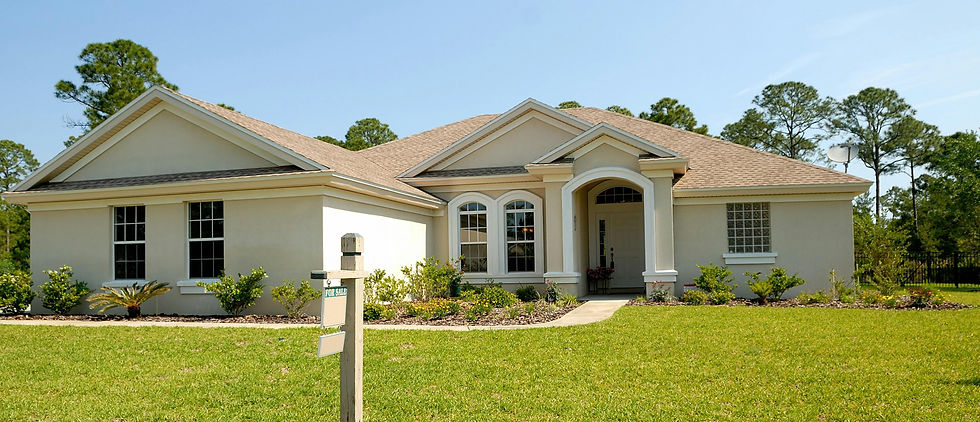
You've probably heard someone say "kitchens and bathrooms sell houses" as if it's gospel truth. Or maybe you've seen those charts claiming certain renovations return a specific percentage of their cost. Meanwhile, your neighbor spent a fortune on their basement and claims it added enormous value, while your realtor friend says half of all renovation money is wasted on things buyers don't care about.
So what actually adds value to your house? The answer is complicated (frustrating, I know) because it depends on your neighborhood, your timeline, your buyer pool, and whether you're renovating for yourself or for some future sale that might not happen for years.
Sometimes spending more adds value. Sometimes it doesn't. And sometimes the "value" has nothing to do with resale at all. Let's break down what actually matters when you're thinking about renovation return on investment.
The Kitchen and Bathroom Reality
These rooms get all the attention when people talk about adding value, and there's truth to their importance. But it's more complicated than "update your kitchen and watch your home value soar."
Kitchens matter, but context is everything: A kitchen update absolutely affects value in most markets. But how much depends on what you're starting with and where you are. Updating a truly dated kitchen in a good neighborhood can return most of your investment. Installing a chef's kitchen in a modest neighborhood might return far less.
The sweet spot is bringing your kitchen up to current expectations for your price point and neighborhood, but without going overboard. Buyers in your market expect certain things. Meet those expectations without exceeding them dramatically, and you'll see good return.
Bathrooms follow similar rules: Updated bathrooms matter, especially the master and main bathrooms. But there's a point of diminishing returns. A tired bathroom with dated fixtures getting a fresh, functional update adds real value. A perfectly fine bathroom getting a luxury spa treatment might not return its cost.
Quality level matters: Cheap, obviously budget renovations can actually hurt value because they signal "flip" to buyers. Quality updates that look like they'll last, now those add value. Over-the-top luxury in a mid-range home confuses buyers and doesn't return its cost.
Functionality beats fancy: A kitchen that works well with good storage and workflow adds more value than one with expensive finishes but poor layout. Buyers imagine themselves living there, and function matters.
The Over-Improvement Problem
This is where homeowners waste money most often, making their house the nicest one on the block and wondering why they can't get their investment back.
Your neighborhood sets the ceiling: Your home's value is largely determined by comparable sales in your area. If every other house on your street sells for a certain range, yours probably will too, regardless of how much you spent on renovations.
Buyer expectations differ by price point: Buyers shopping in different price ranges have different expectations. A buyer looking at starter homes might not value or want to pay for high-end appliances and custom cabinetry. A buyer shopping at higher price points expects quality finishes and will notice if they're not there.
The nicest house trap: Being the nicest, most expensive house in your neighborhood isn't the advantage you might think. You've narrowed your buyer pool to people who want that level of finish (over the norm for your neighborhood) but are willing to live in that neighborhood. Meanwhile, you've priced yourself out for most buyers considering the area.
Better to be middle of the pack: Real estate wisdom says it's better to be an average house in a great neighborhood than the best house in an average neighborhood. Your renovations should keep you competitive with neighborhood standards, not dramatically exceed them.
Remodeling for Yourself vs. for Resale
This is the fundamental question that changes everything about how you should approach renovations.
If you're staying long-term: Renovate for your life, your preferences, and your daily enjoyment. The "return on investment" is the years of satisfaction you get from living in a space that works for you. That's real value even if it doesn't show up in resale prices.
Spending extra on the features you'll use and love daily makes sense when you're living with them for years. The cost per year of use becomes reasonable, and the quality of life improvement matters.
If you're selling within a few years: Renovate strategically for broad appeal. Avoid personal taste choices that might alienate certain buyers. Focus on updates that make the house show well and meet market expectations without over-improving.
Your timeline completely changes the calculus of what makes sense. A bathroom that you'll use for fifteen years justifies different choices than one you're updating for a sale next year.
The planning to sell someday category: Most homeowners fall here. You're not selling immediately, but you might sell eventually. The right approach is usually renovating for yourself while keeping resale in mind. Make choices you love that won't significantly hurt resale value down the road.
Projects That Typically Pay Back Well
Certain renovations tend to return good value in most markets, though specific returns vary by location and execution.
Minor kitchen updates: Not a full gut renovation, but updating key elements like countertops, backsplash, cabinet refresh, appliances, and lighting. This brings the kitchen to current standards without massive expense and typically returns a good portion of its cost.
Bathroom renovations: Updating dated bathrooms to modern, functional spaces. Especially master and main bathrooms. These renovations meet buyer expectations and typically return well.
Adding a second bathroom: In homes with only one bathroom, adding a second is often valuable. Going from one to two bathrooms is a bigger deal than going from two to three.
Finishing a basement: If done well and including a bathroom, finished basements add living space and functionality. Returns vary widely by market, but functional finished space generally adds value.
Curb appeal improvements: Landscaping, fresh exterior paint, new front door, updated lighting. First impressions matter enormously. These relatively affordable updates can significantly affect perceived value.
Essential repairs and maintenance: Fixing the roof, updating outdated electrical, addressing foundation issues. These aren't the most exciting updates, but they remove deal-killers and prevent buyers from using problems as negotiation leverage.
Projects That Often Don't Pay Back
Some renovations that homeowners love don't return their cost at resale.
Luxury master suites: Converting bedrooms into massive master suites with sitting areas and luxury bathrooms. Buyers want nice master bedrooms, but enormous ones that reduce bedroom count or seem excessive for the neighborhood often don't return their cost.
Swimming pools: Pools are polarizing. Some buyers love them, many see them as maintenance and liability. Returns are often poor, especially in areas where pools aren't common. In South Jersey, pools have limited season use, which affects their value.
Elaborate outdoor kitchens: Basic patios and grills appeal to many buyers. Elaborate outdoor kitchens with every feature appeal to fewer buyers and rarely return their substantial cost.
Home offices or specialized rooms: Converting bedrooms into home offices, craft rooms, or home gyms. These appeal to specific buyers but eliminate bedroom count, which most buyers prioritize.
Ultra-custom anything: Custom wine cellars, home theaters, elaborate smart home systems. These are personal indulgences that appeal to specific tastes and rarely add proportional value for most buyers.
What Realtors Actually Tell Sellers
Talking to realtors who sell homes in South Jersey reveals what actually matters when houses hit the market.
Updated kitchens and bathrooms are expected: At most price points, buyers expect these rooms to be functional and relatively current. Dated kitchens and bathrooms become negotiation points or deal-breakers.
Condition matters more than perfection: A well-maintained home with no major issues sells better than a home with some updates but deferred maintenance. Buyers get nervous about homes that seem neglected even if they have a nice kitchen.
Curb appeal is critical: The exterior and entrance create first impressions. A home that looks appealing from the street gets more showing requests and better initial reactions.
Different buyer pools care about different things: First-time buyers might prioritize updated kitchens and bathrooms. Downsizers might care more about first-floor master suites and low maintenance. Families prioritize bedrooms and yard space. Understanding your likely buyer pool guides your renovation priorities.
The Appraisal Reality
Here's something homeowners often don't understand: your renovation costs don't directly translate to appraised value.
Appraisers use comparables: They look at what similar homes in your area have sold for recently. Your renovations only add value if they bring your home in line with or slightly above those comparables.
Over-improving doesn't change comparables: If you spend far more than others have in your neighborhood, the appraiser can't magically make your home worth more than the market supports.
Quality matters but has limits: Appraisers note updated kitchens and bathrooms and adjust value accordingly. But the difference between a mid-range update and a luxury update might not be as much as the cost difference between them.
Functional improvements count: Adding a bathroom, finishing a basement, creating more usable space. These functional changes often show up more clearly in appraisals than purely aesthetic upgrades.
Non-Financial Returns That Matter
Not everything is about resale value, and that's okay.
Daily quality of life: Using a kitchen you love, relaxing in a beautiful bathroom, having spaces that function well for your life. This value is real even if it doesn't show up in resale prices.
Avoiding moving: Sometimes renovating lets you stay in a home and neighborhood you love rather than moving. If moving would be expensive and disruptive, renovation might be worth it even with imperfect financial returns.
Solving problems: A renovation that fixes a layout that never worked, adds storage you desperately need, or addresses function issues improves your daily life regardless of resale value.
The enjoyment years: If you'll enjoy a renovation for ten or fifteen years before selling, the cost per year of enjoyment might be quite reasonable even if resale doesn't return the full cost.
Smart Renovation Strategies for Value
If you care about value (whether for eventual resale or current worth), here's how to approach renovations strategically.
Start with necessary repairs: Fix what's broken before doing aspirational upgrades. Structural issues, roof problems, outdated electrical. These protect your investment and remove buyer concerns.
Focus on standard expectations: Bring your home up to what's expected for your neighborhood and price point. This is where value returns are best.
Quality over luxury: Well-done mid-range renovations often return better than luxury updates. Quality that lasts and looks good beats expensive finishes that don't match the home.
Think about your likely buyer: Who will buy your house eventually? What will matter to them? Renovating with that buyer pool in mind improves value.
Don't ignore cosmetics: Fresh paint, new flooring, updated lighting. These relatively affordable updates dramatically affect how your home shows and can return well.
Keep documentation: When you do renovations, keep receipts, permits, warranties. This helps at resale when you can show recent updates and proper work.
The Timing Question
When you renovate affects return on investment significantly.
Right before selling: Updates specifically for sale should be strategic and focused on maximizing appeal quickly without major expense. Fresh paint, minor updates, curb appeal, staging.
Years before selling: Renovations you'll live with for years should prioritize your needs and enjoyment while avoiding choices that will hurt resale dramatically. You get years of use before needing to worry about resale value.
No sale planned: If you might never sell or won't for decades, renovate entirely for yourself. Resale value is essentially irrelevant if you're living there forever or passing the home to family.
What Actually Matters Most
After all this discussion about return on investment, here's the truth: the best renovation is the one that solves your problem, fits your budget, and improves your life while avoiding decisions that significantly hurt resale value.
Perfect financial return is rare. Most renovations don't pay back their full cost at resale. That's okay if you're getting years of use and enjoyment.
The goal isn't maximum ROI. It's making smart choices that improve your home and life without overspending or making decisions you'll regret.
Let's Talk About Your Renovation Plans
Thinking about renovating and wondering how it'll affect your home's value? We'd be happy to discuss your plans, your timeline, and how to approach updates that make sense for your situation.
Call or text us at 609-233-6617, or send us a DM to schedule your free consultation.


Comments