


What Nobody Tells You About Installing a Stair Runner

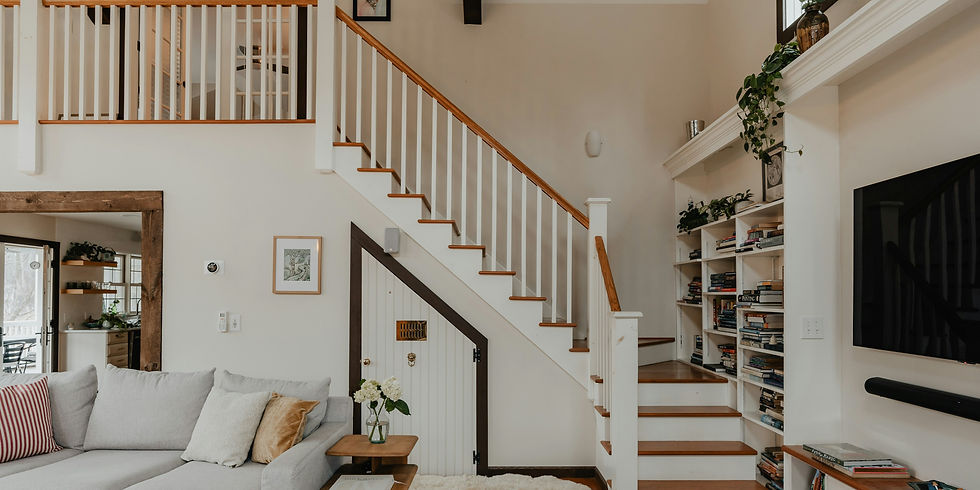
A stair runner changes the whole look (and feel) of your staircase. It softens sound, adds grip underfoot, and generally adds a lot of character with the right design. The install itself is manageable, even for a motivated DIYer. Throw a landing into the mix, though, and the job gets more involved fast. Here's how to handle it.
Start With the Right Carpet and Padding
Before anything touches a stair, get the size and materials right first. A runner should be narrow enough to show wood on both sides, typically four to six inches of exposed tread on each side depending on your staircase width. For a standard 36-inch-wide stair, a 26- to 27-inch runner is usually the sweet spot.
Padding is worth thinking through carefully. A thin, dense pad specifically rated for stairs is what you want. Thick cushion pad compresses under foot traffic and causes the runner to shift over time. Get stair-grade pad and cut it to fit each tread only, not the riser.
Prep the Stairs Before You Staple Anything
Any old adhesive, tack strip remnants, or protruding staples need to come out first. A stair that looks flat to the eye can still have enough debris to create lumps under a new runner.
Sand down any rough spots on the treads. If you're working with painted risers, check that the paint is solid. Bubbling or peeling paint will affect how the runner sits and how long it holds. A few minutes of prep here saves a redo later.
The Install: Tread by Tread
There are two main methods: waterfall and cap-and-band.
Waterfall lets the runner flow over each nose and drop straight down the riser. It's the most common residential look and the easier of the two to install.
Cap-and-band wraps the carpet tightly around each nose, following the contour of the tread. It takes longer and uses more material, but the result is clean and finished on every edge.
Starting at the bottom, staple the runner to the base of the first riser, fold it over the tread, and staple again where the tread meets the riser. That crease point is called the crotch of the stair, and keeping the carpet taut there is what stops it from shifting. Work your way up, pulling tension on each section before you staple. Then use a stair tool (sometimes called a bolster chisel or a stair tucker) to push the carpet deep into each crotch. That crease is structural, so Don't skip it.
Handling the Landing
A landing requires its own approach. Carrying the runner straight across without accounting for the transition is where installs tend to go sideways.
Treat the landing as its own section. Cut the runner at the base of the landing, fold it under, and tack or staple it flush. Then cut a separate piece to cover the landing field, cut and seamed to fit flat, almost like a small area rug. Use seam tape and a seaming iron to join the sections, and secure the edges with tack strips along the perimeter of the landing.
From there, start a new runner section at the top of the landing going up the next staircase run. The seams, when done well, are nearly invisible once the carpet settles.
If your landing turns a corner, you'll need to miter the carpet at a 45-degree angle to wrap the turn without bunching. A bad miter on a landing is visible every time someone walks through the door, which is why this is the step most homeowners hand off to a pro.
Finishing Touches
Once the runner is down the full staircase, check every tread and riser for bubbling or loose spots. Press down any edges that need it. If you used a waterfall method, the nose of each tread should have carpet flush against it with no gap.
Trim any excess at the top of the staircase and tack it neatly under the last riser or into a threshold. If the staircase ends at a hard floor, a carpet bar transition will give it a clean finish.
Finally, Step back. Walk it. If it moves, go back and add staples at the crotch points.
When to Call a Pro
Landings with angles, curved staircases, pattern-matched carpet that has to line up across a seam: these are the jobs where a small mistake becomes a permanent eyesore. Knowing when to hand something off is part of getting it done right.
At Aversa Contracting, we install stair runners throughout South Jersey and handle the full range of staircase layouts. If you've got a landing that's giving you pause, give us a call at 609-233-6617 or reach out on Instagram or Facebook for a free estimate.


Comments